


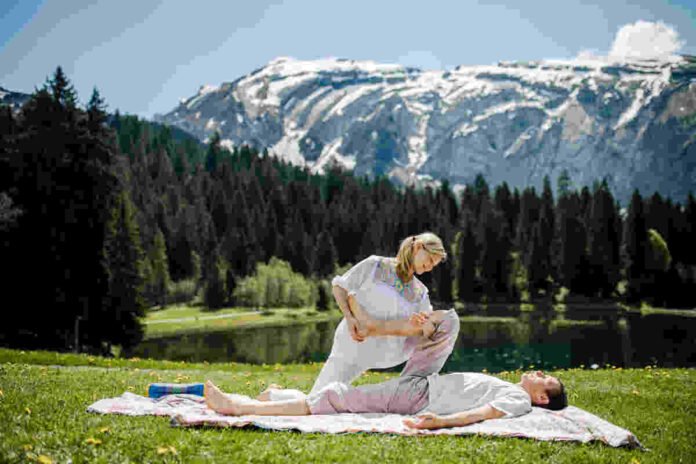
Wellness tourism in Europe is witnessing a powerful resurgence, with mental health retreats emerging as one of the fastest-growing travel segments. As global stress levels rise and burnout becomes increasingly common, travelers are shifting priorities from luxury sightseeing to experiences that support emotional balance, mindfulness, and long-term well-being. Europe, with its deep-rooted wellness traditions and serene natural landscapes, has become a leading destination for this evolving form of travel.
Mental health retreats across countries such as Switzerland, Spain, Portugal, Italy, and the Nordic region are reporting record bookings. These retreats focus on stress recovery, anxiety management, emotional resilience, and digital detox, attracting professionals, entrepreneurs, creatives, and even young adults seeking structured mental reset experiences. Unlike traditional spa vacations, these programs emphasize psychological well-being over indulgence, blending therapy-inspired practices with holistic living.
The surge is closely linked to post-pandemic lifestyle changes. Remote work, constant digital connectivity, and economic uncertainty have blurred boundaries between personal and professional life. Many travelers now view vacations not as escape, but as intervention. Mental health retreats offer guided schedules that include mindfulness therapy, breathwork, nature immersion, sleep regulation, and nutritional balance, providing participants with tools they can carry into everyday life.
Europe’s advantage lies in its diverse wellness ecosystems. Alpine regions offer high-altitude retreats designed to reduce cortisol levels through clean air, silent surroundings, and slow routines. Mediterranean destinations combine mental wellness with climate therapy, focusing on sunlight exposure, sea-based relaxation, and movement practices such as yoga and somatic therapy. Northern Europe, meanwhile, emphasizes minimalism, forest bathing, and structured solitude, appealing to those seeking deep mental clarity.
Many retreats are also integrating evidence-based psychology alongside holistic practices. Cognitive behavioral techniques, trauma-informed therapy, and guided emotional coaching are increasingly common. This blend of science and tradition has made European mental health retreats particularly attractive to international travelers who seek credibility as well as comfort. Programs are often curated by licensed therapists working alongside wellness practitioners, reinforcing trust and long-term impact.
The demand is not limited to luxury travelers. Mid-range and extended-stay retreats are growing rapidly, offering affordable mental health programs lasting from one week to several months. Some retreats even partner with employers, positioning wellness travel as a productivity investment rather than a personal indulgence. Corporate wellness travel is quietly becoming a significant driver of this trend, especially in industries facing high burnout rates.
Digital detox has emerged as a defining feature. Many European retreats now limit or completely restrict device usage, encouraging guests to disconnect from social media, emails, and constant notifications. This intentional separation from digital noise is proving highly appealing to younger travelers who feel overwhelmed by algorithm-driven lifestyles. Retreat operators report that digital-free environments consistently receive the highest satisfaction ratings.
From an economic perspective, the rise of mental health tourism is reshaping Europe’s travel industry. Smaller rural regions are benefiting as retreats often operate in remote areas, creating sustainable tourism models that prioritize environmental preservation and local employment. Governments and tourism boards are beginning to recognize wellness travel as a long-term growth pillar rather than a niche offering.
Health organizations have also acknowledged the importance of mental well-being as part of overall health. The growing acceptance of preventive mental care aligns closely with the retreat model, where early intervention and emotional maintenance take priority over crisis treatment. This cultural shift is helping reduce stigma around mental health travel, making retreats more mainstream and socially accepted.
Looking ahead, experts expect Europe’s mental health retreat market to expand further, with more personalized programs, longer stays, and deeper integration of medical psychology. As travelers increasingly seek meaning, balance, and emotional resilience, wellness tourism is evolving from a trend into a necessity.
The rise of mental health retreats signals a fundamental change in how people travel and why they travel. Europe is no longer just a destination for history and leisure, but a sanctuary for healing, reflection, and mental renewal. In a world defined by speed and pressure, these retreats offer something increasingly rare: space to breathe, think, and reset.

Online Magazine News is your go-to source for the latest trends, insights, and updates across a wide range of topics, including technology, lifestyle, entertainment, and business. With a commitment to delivering accurate and engaging content, Online Magazine News keeps readers informed and inspired in the ever-evolving digital world.


