


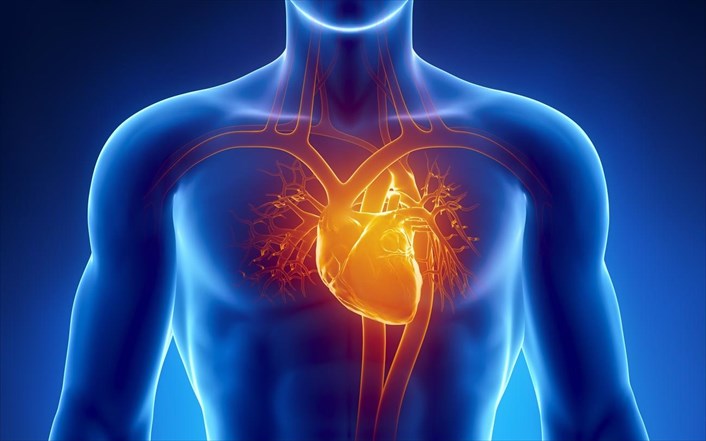
As people age, many start experiencing more aches or pains throughout their bodies. Even though many symptoms can be chalked up to the natural aging process, it’s essential to pay close attention to the cardiovascular system.
Either way, it is worth mentioning that not all symptoms are created equal when it comes to our cardiovascular health. If you have any concerns about symptoms you may be experiencing, it is always a good idea to meet with your primary care provider to determine if you should be referred to the best cardiologists in Singapore.
That leaves many wondering about some of the warning signs for underlying problems. Some of the symptoms that suggest you may need to work with cardiologists in Singapore include chest discomfort, shortness of breath, swelling in your legs, high blood pressure, and leg pains or ulcers resulting from blood vessels diseases.
The best cardiologists in Singapore will evaluate your symptoms, review your medical history and may recommend diagnostic tests to effectively diagnose the cause of your symptoms. Not to mention, the cardiologist will help your healthcare team evaluate the best form of treatment for you.
Your heart doctor in Singapore may offer advice on diet and exercise changes. And this is easily understandable considering you can lower your risk of heart disease by eating a low-fat and low-sodium diet, getting at least 30 minutes of moderate exercise most days of the week, quitting smoking, and limiting alcohol intake.
In case lifestyle changes alone don’t seem to be working the magic, your cardiologist in Singapore may prescribe medications to control your condition. The type of medication you receive depends on the type of heart condition and severity.
But what if medications aren’t working wonders on your heart health? When this is the case, your cardiology care team may recommend specific procedures or surgery. The type of procedure or surgery you get depends on the type of heart condition and the extent of the damage to your heart.
If you cardiologist decides that you need cardiac surgery, you may be referred to a cardiovascular surgeon. Once you fully recover from the surgery, you will be sent back to your cardiologist for long-term monitoring and care.
It may seem daunting to think about being diagnosed with a cardiovascular condition that requires surgical intervention, but discovering and treating the issue early can save your life.

Online Magazine News is your go-to source for the latest trends, insights, and updates across a wide range of topics, including technology, lifestyle, entertainment, and business. With a commitment to delivering accurate and engaging content, Online Magazine News keeps readers informed and inspired in the ever-evolving digital world.


