


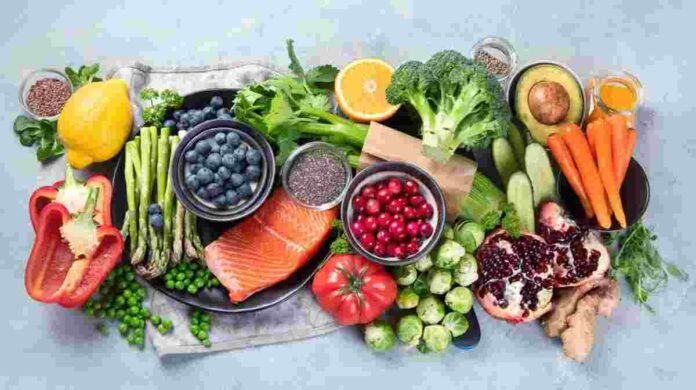
A diet high in foods containing antioxidants has been related to dramatically reduced prevalence of cervical cancer in a new study, extending a recent body of research into the effects of diet on women’s risk of the disease. Researchers found that those women with the highest antioxidant diets had a 55.
8% reduced prevalence of cervical cancer, compared to women with the lowest scores on an antioxidant index.
The results are drawn from a study published in August 2029 in the International Journal of Gynecology & Obstetrics. Investigators analyzed dietary and health information collected from the US National Health and Nutrition Examination Survey from the years 2003-2018. A total of 1,044 women participated, of which 174 had a history of cervical cancer and 870 had no history of this disease.
The level of dietary antioxidants was estimated using the Composite Dietary Antioxidant Index (CDAI) measure. CDAI does not concentrate on any specific vitamin or food but gives a wider picture of antioxidants consumption. After adjusting for potential confounding factors for cervical cancer prevalence, each 1-unit increase in CDAI was related to an 11.
4% lower prevalence of cervical cancer; women in the highest group of CDAI had an odds ratio of 0.442 relative to women in the lowest group of CDAI, corresponding to a 55.
8% lower prevalence. The researchers also noticed that this negative association was consistent in varying subgroups of the participants.
The study was observational and cross-sectional, and it can point out the association between the two factors but not the causality of higher intake of antioxidant-rich food preventing the development of cervix cancer. Authors mentioned that further prospective studies have to be conducted to validate these findings and elucidate the underlying biological mechanisms.
Vitamin C, Minerals and Phytochemicals are all antioxidants which can help support counteract oxidative stress. Fruits, vegetables and other plant based foods can provide a rich source of nutrients and compounds with antioxidant properties vitamin C, vitamin E and carotenoids. Similar indications of a relation between antioxidant levels and cervical disease have also been made in earlier work.
A case-control investigation among Chinese women shows that increased plasma concentrations of numerous antioxidant vitamins are related to reduced likelihood of invasive cervical cancer; the greatest findings were for vitamin C and vitamin E. Other research on the earlier stages of cervical disease have found comparable results.
For example, research among HPV-positive women in Brazil found increased intake of papaya and orange was related to reduced risk of any squamous intraepithelial lesion that could bring cervical cancer. Still, the evidence is still inconsistent. An Italian study in women with a risk for cervical cancer, in women with higher intakes of antioxidant index, a trend toward having less severe lesions was seen.
But, the association of the antioxidant index and CIN2 or worse was (p=0.052) after controlling for possible cofounders was not statistically significant.

Online Magazine News is your go-to source for the latest trends, insights, and updates across a wide range of topics, including technology, lifestyle, entertainment, and business. With a commitment to delivering accurate and engaging content, Online Magazine News keeps readers informed and inspired in the ever-evolving digital world.


