


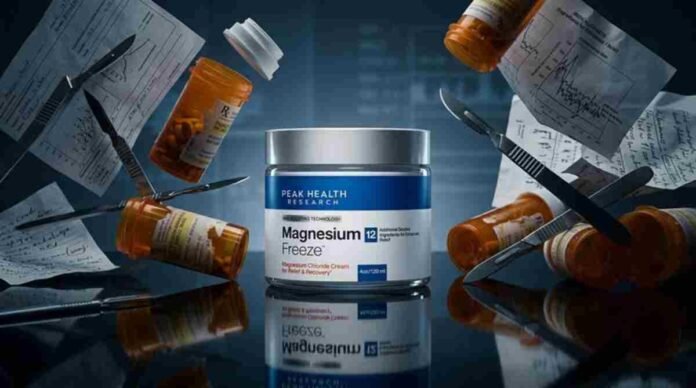
The daily life of a person with chronic pain is oftentimes a struggle against the discomfort that the standard therapies are not able to contain. Even though opioids have commonly been a remedy, their threat of addiction and other negative effects, and the widespread public health risk, have pushed the patients as well as the doctors to look for safer alternatives. At the moment, the medications that concentrate on sodium channels in the nervous system are the chief source of optimism for gaining relief from pain that is effective and non-addictive.
These new medications will locally block the specific sodium channels, which act as small doors on nerve cells responsible for the conduction of pain signals. The drugs based on this mode of action are different from ones that have broad-spectrum and affect the whole body. Targeting Nav1.7 and Nav1.8 is of key importance since they are the major contributors to chronic pain whereas they do not play such a major role in the normal functioning of the body. The clinical studies in their initial stages have been generating positive signs for the patients with neuropathic pain as well as those with arthritis and spinal injuries.
Michael Rodriguez, a 52-year-old construction worker from Chicago, who hurt his back at work five years ago, is one of those patients. “The pain was really bad some days. I tried all kinds of stuff, but the opioids made me feel like I was in a dream and I was also getting addicted to them. And that’s the life that I just didn’t want, ” is what he remembers. Michael experienced great having the back pain release after taking the sodium channel blocker during the trial. “Now I can play with my grandkids without even thinking about when I would take my next pill. It’s like I got my life back.”
The creation of these drugs signals a big change in the art of pain treatment. Scientists have focused on the genetic elements of pain sensation for years, and their studies revealed that the people having mutations in certain sodium channels are either extremely sensitive to pain or, Then again, absolutely incapable of feeling pain. So, from the point of view of biology, by selectively inhibiting these channels, pharmaceutical companies are working towards the production of drugs that will provide pain relief with minimum side effects and risks of addiction like opioids have.
A number of candidates have now entered clinical development stages, and some even draw attention with their results in phase 2 and 3 trials. With reporting less pain intensity, patients also tell about good sleep, uplifted mood, and fewer side effects than when they used traditional medicines. One of the most advanced compounds has shown to extend the effect of one dose to 24 hours of relief which is a remarkable change for people with chronic conditions. The key advantage of this treatment is its capacity to treat the actual source of pain rather than to cover it up with symptoms. Instead of dumping the brain with chemicals, which can cause many of the side effects patients report (On top of dependency issues), such medications only target peripheral nerves.
Experts in the medical field are expecting this breakthrough to completely change the way we treat the 50 million Americans and hundreds of millions of other people around the world who suffer from chronic pain every day. There are still a few issues left to solve. For example, Really people will not respond in the exact manner to a drug is earnestly expected. Besides, studies on safety in the long-term use of this medication are being conducted. The precious companies supply will soon be regulated by the authorities. Another issue aimed at discussion is the high cost of drug production and the question about making these drugs accessible (insurance payments and generic versions will probably follow the successful approvals).
The introduction of a new type of drugs in the field of pain management is good news for doctors as well. To experience a doctor’s opinion firsthand, Dr. Elena Vasquez shares her perspective on this recent breakthrough. “It seems as if we have finally been introduced to something that will serve us greatly. Changing to offering patients actual relief while removing the fear of addiction is a game changer for us for how we go about the different treatment plans, ” she says.
The path is being paved to a very promising opioid-free pain treatment world. These drugs acting on sodium channels may help healthcare systems by not only lessening their burden but also by lowering addiction and, above all, by the healing and giving back of qualities of life to those who have been silent victims of pain for so long. More are needed before we get to the phase of large-scale release, but there’s simply no turning back now. If you or people you care about have chronic pain it is really important to know about these developments and be ready for changed times. You might consider weighing in on trials to get experimental treatments or new therapies with your doctor.

Online Magazine News is your go-to source for the latest trends, insights, and updates across a wide range of topics, including technology, lifestyle, entertainment, and business. With a commitment to delivering accurate and engaging content, Online Magazine News keeps readers informed and inspired in the ever-evolving digital world.


