


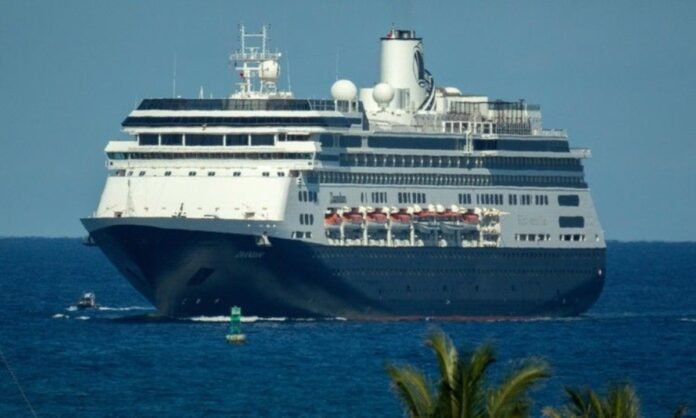
The World Health Organization (WHO) has officially stated that the general public faces low risk following the Hantavirus outbreak aboard the luxury expedition cruise ship MV Hondius. Despite the tragic deaths of three passengers, health authorities emphasize that the virus does not spread easily between people, helping to calm global concerns about widespread transmission.
The incident occurred in early May 2026 while the MV Hondius, operated by Oceanwide Expeditions, was sailing off the coast of West Africa. Hantavirus, typically transmitted through contact with infected rodent droppings, urine, or saliva, affected several passengers and crew in the confined ship environment. Three individuals developed severe hantavirus pulmonary syndrome (HPS) and unfortunately passed away despite medical efforts.
Following rapid testing and contact tracing, the WHO, in coordination with Dutch health authorities and local West African partners, conducted a thorough risk assessment. Their conclusion is clear: while the situation onboard required serious intervention, the strain involved poses minimal threat to communities outside the ship. Person-to-person transmission of this particular hantavirus variant is extremely rare, unlike respiratory viruses such as COVID-19.
“Based on current evidence, the risk to the general public remains low,” the WHO stated in its official briefing. Most people become infected only after direct exposure to contaminated environments, usually in rural or forested areas with high rodent populations. Cruise ships, though enclosed, are not typical settings for sustained outbreaks when proper containment measures are applied.
Health teams quickly evacuated infected passengers to onshore medical facilities equipped to handle the illness. Supportive care remains the main treatment approach, as there is no specific antiviral for hantavirus. The remaining passengers and crew have been placed under careful monitoring and quarantine protocols, with the vessel undergoing thorough decontamination.
This outbreak has prompted the cruise industry to review and strengthen its biosecurity standards. Operators are now prioritizing enhanced pest control, improved ventilation systems, and more rigorous pre-boarding health screenings, especially for expedition cruises visiting remote regions. Travel experts advise passengers to review their insurance policies and check health advisories before booking similar voyages.
The WHO’s reassurance is helping stabilize confidence in the broader cruise sector, which has worked hard to recover from previous health-related setbacks. Major lines are monitoring developments closely and sharing best practices for preventing similar incidents in the future. For travelers, the key message is vigilance without panic — practicing good hygiene and being aware of symptoms such as fever, muscle aches, and respiratory issues after potential exposure.
The incident also highlights the importance of international cooperation in maritime health emergencies. Rapid information sharing between the ship operator, national authorities, and global bodies like the WHO enabled a coordinated response that limited the outbreak’s scope.
As investigations continue into how the virus entered the ship — likely through port rodents or stored supplies — lessons learned will inform future safety protocols. The WHO continues to track the situation and will update guidance as more data emerges.
For now, the global public can take comfort in the organization’s assessment. While the loss of life aboard the MV Hondius is deeply tragic, the contained nature of the outbreak and low transmissibility mean everyday activities and travel plans do not need major disruption.
This event serves as a reminder that nature can still present surprises even in modern luxury travel, but swift, science-based responses can effectively protect public health. Travelers are encouraged to stay informed through official channels and consult healthcare providers if they have specific concerns about upcoming journeys.

Online Magazine News is your go-to source for the latest trends, insights, and updates across a wide range of topics, including technology, lifestyle, entertainment, and business. With a commitment to delivering accurate and engaging content, Online Magazine News keeps readers informed and inspired in the ever-evolving digital world.


